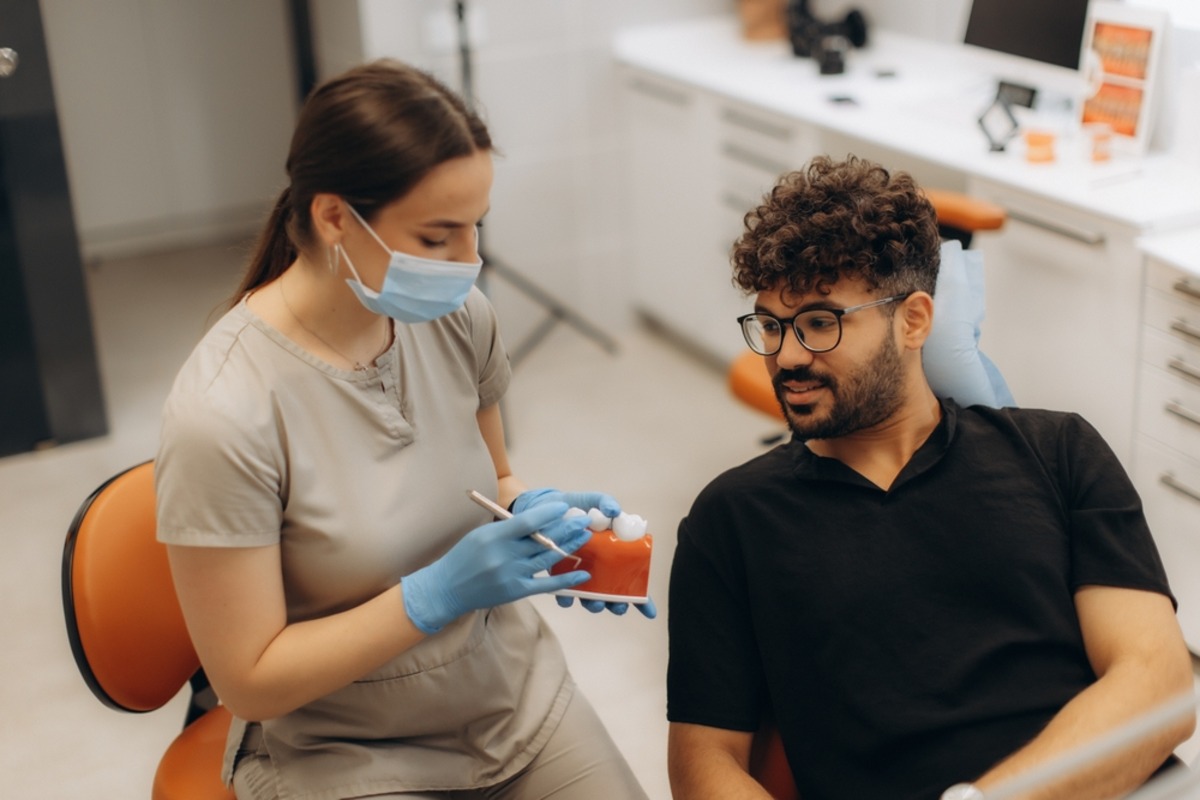
Dental crowns protect weak, cracked, or heavily filled teeth. They bring back strength and help you chew comfortably. Many patients who visit a dental clinic in Vancouver receive crowns to repair damaged teeth and prevent more serious problems later.
Crowns are often part of restorative dentistry in Vancouver to rebuild teeth and improve function. Even though they are strong, they still need daily care. Simple habits at home help protect the tooth beneath the crown and keep the crown secure for years.
Why daily care matters
A crown covers the top part of a tooth, but the natural tooth is still underneath. If plaque builds up near the gumline, decay can form around the edges. Healthy gums are also important. Swollen or receding gums can affect how well the crown fits.
Taking care of a crown is much like caring for a natural tooth. The goal is to keep the area clean and free from bacteria.
Brushing every day
Brush at least twice a day using a soft toothbrush. Be gentle and focus on the area where the crown meets the gum.
Many people ask, What is the 3 3 3 brushing rule? It means brushing three times a day, for three minutes each time, and waiting about 30 minutes after eating before brushing. Brushing twice a day works well for most people, but this rule can help you stay consistent.
When brushing a crowned tooth
- Use small circular motions
- Clean along the gumline
- Avoid brushing too hard
- Change your toothbrush every three months
Flossing around a crown
Flossing is just as important as brushing. Food and plaque can collect between teeth and around the crown.
When flossing
- Gently slide floss between teeth
- Curve it around the crown
- Move it up and down softly
- Do not snap the floss into place
If floss is hard to use, floss picks or a water flosser can help. Daily cleaning lowers the risk of decay near the crown.
Be careful with food
Crowns are strong, but they can still crack or come loose.
Avoid
- Chewing ice
- Hard candy
- Very sticky foods
If you grind your teeth at night, a night guard can help protect your crown.
Watch for changes
Pay attention to minor signs. Sensitivity, pain, or a loose feeling may mean something needs attention.
If you notice
- Pain while chewing
- Swollen gums
- A crown that feels different
- A crack or chip
Searching for a dentist near you can help you find care quickly if something does not feel right.
Regular cleanings and exams
Even if your crown feels fine, regular visits are important. Professional cleanings remove buildup that brushing cannot. X-rays may be taken to check the tooth under the crown.
People living near Strathcona often look for a dentist near Strathcona for easy access to routine care. Regular visits help catch minor issues before they become serious.
How long do crowns last
With good care, crowns can last 10 to 15 years or longer. Their lifespan depends on your oral hygiene, bite habits, and dental visits.
Healthy gums help keep your crown firm and secure.
Simple daily routine
Morning
- Brush your teeth
- Floss gently
Evening
- Brush before bed
- Clean between your teeth
- Wear a night guard if advised
These simple habits help protect your crown and your natural teeth.
Avoid common mistakes
Some habits can damage your crown.
Avoid
- Skipping flossing
- Brushing too hard
- Ignoring pain or discomfort
- Delaying dental checkups
Gentle care and regular checkups help crowns stay in good shape.
When a crown may need replacement
Over time, crowns can wear down or loosen. Grinding, aging, or changes in the tooth can affect them.
If a crown needs to be replaced, the process is usually simple. Getting help early prevents damage to the underlying natural tooth.
Keep your smile healthy
Caring for a dental crown is not complicated. Brush regularly, floss daily, eat carefully, and attend routine checkups. These simple steps help your crown stay firm and comfortable for many years.
Take the Next Step for Your Oral Health
If you have questions about your crown or need a checkup, Cambie Broadway Dental is ready to help. Book your appointment today and keep your smile healthy with trusted care in Vancouver.
Frequently Asked Questions
How often should I brush a dental crown?
Brush at least two times a day with a soft toothbrush.
Can a crown get cavities?
The crown itself cannot get a cavity, but the tooth under it can, if it is not cleaned properly.
Is it safe to floss around a crown?
Yes. Flossing gently helps keep the area clean.
What should I do if my crown feels loose?
Call your dentist as soon as you notice it.