Tooth Extractions Near You
Maintaining a healthy smile is a priority for many people, but sometimes a tooth may need to be removed to protect your overall oral health. At Cambie Broadway Dental, our team focuses on providing clear information and a comfortable experience throughout your dental visit. Our clinic offers tooth extractions in Vancouver as part of our dental services for situations where a tooth cannot be restored or needs to be removed to support your oral health.
Finding a reliable dental clinic is important when you need a procedure to improve your oral health. Looking for tooth extractions near you? Our clinic offers a welcoming environment where your needs come first. Removing a tooth is often a last resort, but it can be necessary for several reasons, such as preparing for orthodontic work or addressing a tooth that cannot be saved with a filling or crown.
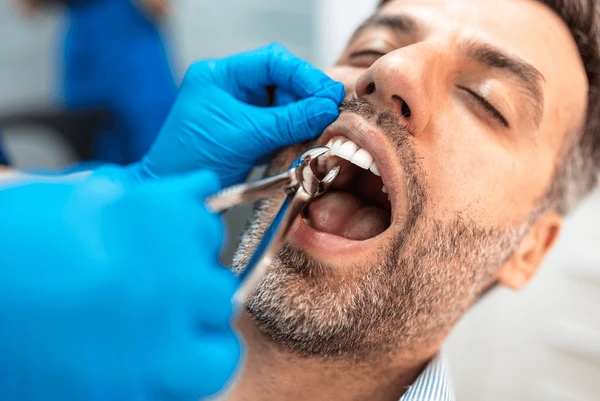
What You Should Know About Tooth Extractions
A tooth extraction is a dental procedure where a tooth is carefully removed from its place in the jawbone. Dentists always try to preserve your natural teeth, but removal may be needed when a tooth cannot be repaired or keeping it could affect your oral health.
Common reasons for removing a tooth include:
- Severe Decay: If a cavity is too large, the tooth structure may become too weak to support a restoration.
- Impacted Teeth: Teeth, especially wisdom teeth, sometimes do not have enough room to emerge properly.
- Crowding: Some patients have extra teeth that prevent others from coming in or cause alignment issues.
- Preparation for Braces: Removing a tooth can create the space needed for orthodontic treatment to align the remaining teeth.
What Happens During a Tooth Extraction Procedure
For patients looking for tooth extractions in Cambie, our dental team provides professional care with a focus on comfort and safety.
Simple Extractions
A simple extraction is performed on a visible tooth in the mouth.
- The area around the tooth is numbed using a local anesthetic.
- An elevator is used to loosen the tooth.
- Dental forceps are then used to remove the tooth from the socket carefully.
Surgical Extractions
Surgical extractions are more complex and are used for teeth that have broken off at the gum line or have not yet erupted.
- Our dentist makes a small incision in the gum to reach the tooth.
- In some cases, some bone around the tooth may need to be removed.
- The tooth might be divided into smaller pieces to make removal easier.
- Stitches may be used to help the area heal properly.
Advantages of Professional Tooth Extraction Care
Connecting with a professional dental clinic in Vancouver for your oral surgery needs allows you to receive care from experienced dental professionals.
- Reduced Risk of Infection: Removing a severely decayed tooth may prevent bacteria from spreading to other parts of the mouth.
- Relief from Pressure: Impacted teeth can put pressure on neighbouring teeth; removal can help reduce that discomfort.
- Better Alignment: Creating space in a crowded mouth can support more effective orthodontic results.
- Improved Comfort: A cracked or infected tooth can be a constant source of irritation, and removal may provide relief.
Aftercare and Recovery Tips
If you are looking for tooth extractions in Vancouver, you can receive professional dental care with proper guidance for post-procedure recovery. Following these steps can support the healing process and may reduce the chance of complications:
- Bite on Gauze: Keep the gauze pad in place for about 45 minutes after the procedure to help a blood clot form.
- Rest: Limit physical activity for the first 24 hours to keep your blood pressure stable.
- Use Ice Packs: Applying an ice pack to the outside of your cheek for 10-minute intervals can help manage swelling.
- Soft Foods: Eat soft foods like yogurt, soup, or applesauce for the first few days. Avoid using a straw, as the suction can dislodge the blood clot.

Find the Right Solution for Your Dental Concerns Today
If you are looking for tooth extractions near you, Cambie Broadway Dental is here to provide comfortable, professional dental care. Our team will discuss your concerns, explain the process, and help you schedule an appointment at a convenient time.
Contact us today to book your visit.
FAQ'S
Does a tooth extraction hurt?
Dentists apply local anesthesia before a tooth extraction to numb the area and help you stay comfortable throughout the procedure. You may notice some pressure as the tooth is gently removed, but you should not feel sharp pain. Once the numbness wears off, some tenderness or mild discomfort may occur, which can usually be eased with the pain medication your dentist recommends.
How long does it take to heal?
The initial healing phase usually lasts about 1 to 2 weeks. During the first few days, the socket will begin to fill with new tissue. It may take several months for the bone to fill the area fully.
Can I drive home after the procedure?
If you receive only local anesthesia, you can drive yourself home. If you choose a form of sedation, you will need a friend or family member to provide transportation.
What is a dry socket?
A dry socket can occur when the blood clot that covers and protects the tooth extraction site does not form properly or is removed too soon. Without the clot, the underlying bone and nerves may be exposed, leading to pain and sensitivity. Carefully following your dentist’s aftercare advice, including avoiding straws after extraction, can help reduce the chance of a dry socket.
When can I eat solid food again?
You can begin eating solid foods again when you feel comfortable. Many people return to their normal diet within about a week, but it is important to avoid chewing on the extraction side until the area heals properly.
Why would a tooth need to be removed instead of having a root canal?
A root canal is used to save a tooth with an infected nerve. However, if the tooth is too weak or the damage is too deep into the root, a root canal may not be successful. In those cases, removing the tooth is the more realistic option to protect your health.