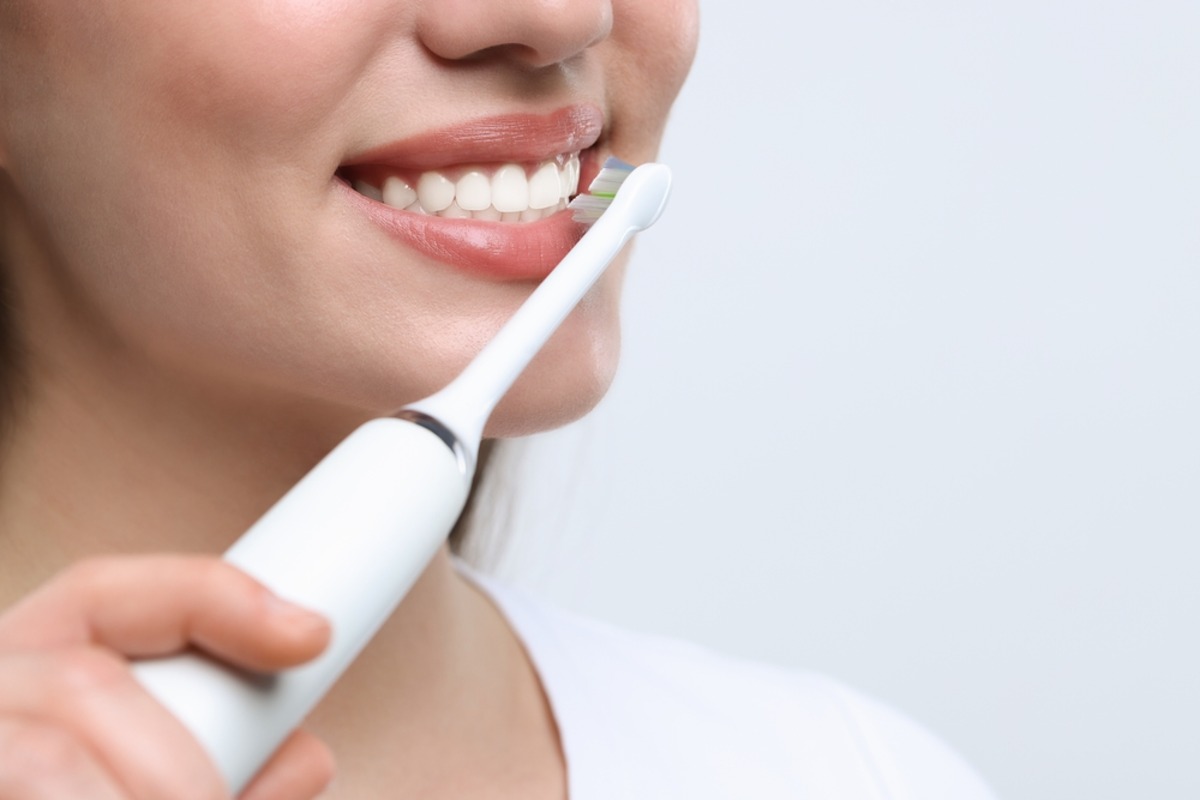
Many people who visit a dentist in Vancouver ask if electric toothbrushes are truly better than manual ones. While electric brushes can help some people, they are not the right choice for everyone.
Before buying a new toothbrush, it is important to understand your own needs. Your gum health, brushing habits, and comfort level all matter. Visiting a dental clinic near you can also help you decide what works best for your mouth.
What Is an Electric Toothbrush
An electric toothbrush uses power to move the bristles. Some spin in circles. Some vibrate back and forth. These movements are meant to help remove plaque with less effort.
Many electric brushes also come with timers and pressure sensors. A timer reminds you to brush for two minutes. A pressure sensor warns you if you are brushing too hard. These features can be helpful, but they are not necessary for everyone.
Pros and Cons of Electric Toothbrushes
To understand the pros and cons of electric toothbrushes, it helps to look at both sides clearly.
| Pros | Cons |
| Stronger automatic brushing motion | Higher price compared to manual brushes |
| Built in timer helps track time | Replacement heads cost extra |
| Helpful for people with weak hand grip | Needs charging or batteries |
| Pressure control reduces hard brushing | May feel too strong for sensitive gums |
| Different cleaning settings available | Can be bulky and harder to travel with |
Electric brushes can improve brushing for some people. But the extra features do not always mean better cleaning for everyone.
Are Manual Toothbrushes Still Good
Manual toothbrushes are simple and affordable. When used correctly, they clean teeth just as well as electric brushes.
Many people who utilize proper brushing techniques with a soft manual brush have healthy teeth and gums. The key is how you brush, not just what you use. A good routine matters more than technology.
Who May Benefit from an Electric Toothbrush
Some people may find electric brushes helpful.
- People with arthritis or limited hand movement
- Children who rush through brushing
- Individuals who brush too hard
- People with braces or dental work
For these people, the powered movement can make brushing easier and more even.
Who May Not Need One
Not everyone needs an electric toothbrush.
- If you already brush carefully and gently with a manual brush, you may not need to switch.
- If you have very sensitive gums, the strong vibration of an electric toothbrush may feel uncomfortable.
- If you prefer something simple and low cost, a manual brush works well.
- If you travel often, a manual brush is easier to pack and carry.
Comfort and daily habits are important. If a brush feels uncomfortable, you may not use it properly.
How to Choose the Right Toothbrush
Learning how to choose the right toothbrush is simple when you focus on a few basic points.
- Pick soft bristles. Hard bristles can hurt gums and wear down enamel.
- Choose a brush head that fits easily in your mouth.
- Select a brush that feels comfortable in your hand.
- Think about your budget, including future costs.
The best toothbrush is one that you will use correctly every day. A simple brush used properly is better than an expensive brush used poorly.
The Importance of Proper Brushing Techniques
No toothbrush can do all the work for you. Proper brushing techniques are the most important part of oral care.
- Brush two times a day for at least 2 minutes.
- Hold the brush at a slight angle toward the gumline.
- Use gentle circular motions.
- Do not press too hard.
- Make sure to clean the back teeth and along the gums.
Brushing too hard can cause gum recession and can also damage enamel. Gentle brushing is safer and more effective.
Cost and Maintenance
Electric toothbrushes usually cost more than manual ones. The brush heads also need to be replaced every few months, which adds to the cost.
They also need charging or batteries. If the battery runs out, you may not be able to use the brush until it is charged again.
Manual brushes are cheaper and easier to replace. They do not need power and are easy to carry while travelling.
Long Term Oral Care
Healthy teeth depend on daily habits. Brushing, flossing, and regular dental visits all work together.
No toothbrush can replace flossing. Cleaning between teeth is just as important as brushing the surface.
The best results come from steady care over time. It is not about having the most advanced tool. It is about using your toothbrush correctly every day.
Take the Next Step for Better Oral Care
If you are unsure which toothbrush is right for you, the team at Cambie Broadway Dental can guide you. We offer clear advice and simple tips to improve your brushing habits. Book your appointment today and take a positive step toward keeping your smile healthy.
Frequently Asked Questions
Are electric toothbrushes always better?
No. Both electric and manual brushes work well when used properly.
Can electric toothbrushes damage teeth?
They can cause problems if you press too hard, but gentle use is safe.
How often should I replace my toothbrush?
Every 3 to 4 months, or sooner if the bristles are worn.
Do I still need to floss if I use an electric toothbrush?
Yes. Flossing is needed to clean between your teeth.