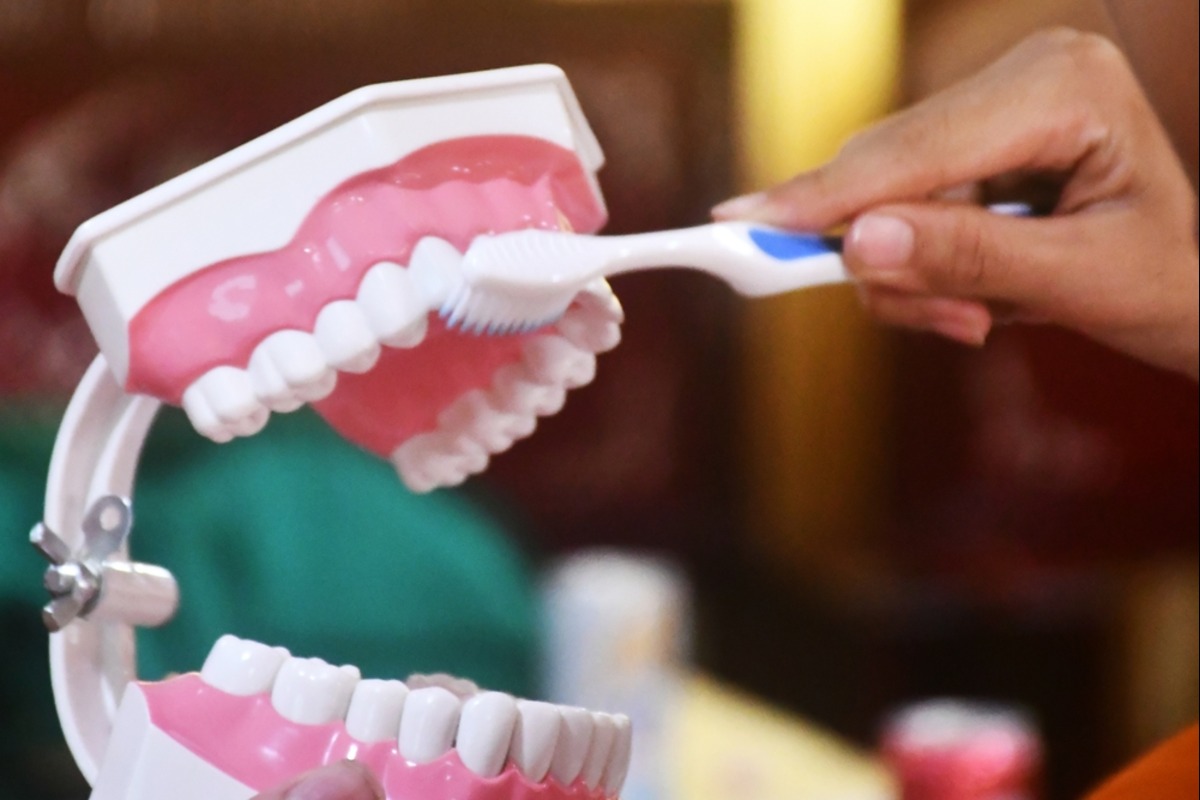
Many people think that a quick scrub with a toothbrush is all they need to keep their teeth healthy. However, even if you brush every single morning and night, you can still get cavities or gum problems.
When you talk to a dentist in Vancouver, they will tell you that your teeth have five sides, but a brush can only reach three of them.
Leaving the areas between your teeth dirty is like washing the front and back of your hands but never cleaning between your fingers. A full routine is the only way to keep your whole mouth safe.
Why Does Your Brush Miss The Most Important Spots?
The bristles of a toothbrush are great for cleaning the flat tops and sides of your teeth. But the gaps where two teeth touch are way too skinny for those bristles to fit inside.
This is why the importance of brushing and flossing is something experts talk about at every visit.
- Hiding Spots: Germs love to hide in dark, tight gaps where a brush can’t go.
- Acid Attacks: When food gets stuck between teeth, it turns into acid that eats holes in your enamel.
- Hard Plaque: If you don’t move the germs from between your teeth, they turn into hard tartar that only a professional can remove.
- Sore Gums: Bacteria stuck in these gaps make your gums red, puffy, and painful.
What Happens When You Skip The Extra Steps?
It is easy to forget to clean between your teeth when you are tired at night. But it helps to know what happens if you don’t floss on a regular basis.
Without cleaning those gaps, you are leaving almost half of your tooth surfaces dirty, which leads to problems you can easily avoid.
- Hidden Cavities: These are holes that form between teeth. You usually can’t see them until they are very deep and start to hurt.
- Bad Breath: Old food trapped between teeth starts to smell bad, and brushing won’t fix it.
- Bleeding Gums: This is the start of gum disease. If your gums bleed when you brush, it means germs are living in the gaps.
- Loose Teeth: Over time, infections in the gums can eat away the bone that holds your teeth in place.
Finding Help In Your Neighborhood
If you aren’t sure if you are cleaning the right way, visiting a dental clinic near you is the best way to learn.
A professional can show you exactly where you are missing spots by using a special dye that makes hidden germs show up in bright colors.
Having a team nearby makes it easy to go in for regular cleanings that keep your mouth feeling fresh and healthy.
Comparing Ways to Clean Your Teeth
| Tool | How Much It Cleans | Good for Gums? | How Hard Is It? |
| Regular Brush | Only the easy surfaces | A little | Very Easy |
| Electric Brush | Cleans a bit more | Medium | Very Easy |
| String Floss | Gets between teeth | Very Good | Needs Practice |
| Water Flosser | Sprays out the gaps | Excellent | Easy to use |
Building Easy Habits For A Healthy Smile
Starting healthy smile habits is about doing small things every day. It is much better to clean gently once a day than to scrub really hard once a week.
- The Right Order: Try cleaning between your teeth before you brush to loosen up the food.
- Be Gentle: Don’t scrub too hard! You can actually hurt your gums if you are too rough.
- Two-Minute Rule: Use a timer to make sure you brush for a full two minutes every time.
- Clean Your Tongue: A lot of germs live on your tongue, so give it a quick brush too.
How Does Water And Food Help Your Teeth?
What you eat and drink also matters for your smile. Your spit is like a natural mouthwash that helps wash away sugar and acid.
- Drink Water: Drinking lots of water helps your mouth stay wet so it can fight off germs.
- Sweets with Meals: It is better to eat a treat with dinner than to snack on sugary things all day long.
- Crunchy Snacks: Foods like apples and carrots act like little toothbrushes while you chew them.
- Limit Soda: Fizzy drinks have acid that makes your teeth soft, making it easier for cavities to start.
Keeping Your Smile Bright and Strong
Taking care of your teeth is one of the best things you can do for your health. A healthy mouth helps you eat better, speak clearly, and feel more confident.
By adding just a few extra minutes to your routine, you can prevent pain and save money on big dental fixes later. Your teeth are meant to last a lifetime, and with the right care, they will.
At Cambie Broadway Dental, we are here to help you understand your mouth and give you the best tips for a smile you can be proud of.
Are you ready to make sure your teeth are as clean as possible? Contact Cambie Broadway Dental today to book your next check-up and get your smile back on track!
FAQs
Is it better to floss before or after I brush?
It is usually better to floss first because it loosens up food and plaque, allowing your toothpaste to reach between your teeth more easily when you brush.
Why do my gums bleed when I start flossing?
Gums usually bleed because bacteria have caused a little bit of swelling; if you keep cleaning gently every day, the bleeding should stop within a week or two.
Can a water flosser replace regular string floss?
While string floss is great for tight spots, a water flosser is an excellent tool that uses a stream of water to flush out germs and is much easier for many people to use.
How often should I get a professional cleaning?
Most people should visit a clinic every six months to have a professional remove hard tartar that a regular toothbrush cannot budge.