Biting down on a hard piece of food or suddenly feeling a sharp pain when chewing can be alarming. A cracked tooth is a common dental emergency that can range from a minor cosmetic issue to a serious structural problem. Because cracks in teeth are not always visible to the naked eye, understanding how they are diagnosed and treated is key to saving your natural smile.
If you suspect you have a broken tooth and are searching for a trusted dentist in Vancouver, seeking timely professional care can prevent a simple crack from worsening. Depending on the depth and location of the fracture, your care team will recommend a dental crown, root canal therapy, or an extraction.
Understanding Different Types of Tooth Cracks
Not all tooth cracks are created equal. The ideal treatment depends heavily on how far the crack extends through the layers of your tooth from the outer enamel down to the inner pulp and root structure.
- Craze Lines: Only the exterior enamel is affected by these tiny, superficial breaks. They are prevalent in adults, don’t hurt, and hardly ever need more than cosmetic smoothing.
- Fractured Cusp: A break that affects a tooth’s chewing surface cusp is called a fractured cusp. The inner nerve is typically not harmed by this and can be readily repaired.
- Cracked Tooth (Extending Below Gumline): A crack that runs vertically from the chewing surface downward toward the root. If it reaches the inner pulp, nerve treatment is required.
- Split Tooth: A crack that travels all the way through the tooth, dividing it into distinct, separable segments.
- Vertical Root Fracture: A crack that begins deep in the root beneath the gumline and travels upward. These often show minimal symptoms until the surrounding bone becomes inflamed.
Option 1: Dental Crown (For Surface Fractures)
When a crack is identified early and remains confined to the outer enamel and dentin without reaching the inner nerve, a dental crown is the most effective restoration.
A custom crown acts like a protective cap that fits over the entire visible portion of the damaged tooth. By encasing the tooth structure, the crown holds the fractured pieces together and prevents biting pressure from flexing the crack wider.
Key benefits of choosing a crown for early-stage cracked tooth treatment options include:
- Keeping your living nerve tissue and natural root system intact.
- Regaining comfortable chewing and full biting force.
- Stopping the further penetration of bacteria into the interior layers of the tooth.
- Blending in well with the real teeth around you.
Option 2: Root Canal Therapy Plus Crown (For Deep Cracks)
If a crack extends deep enough to breach the inner pulp chamber, bacteria gain direct access to sensitive nerves and blood vessels. This often causes continuous, throbbing pain or severe temperature sensitivity.
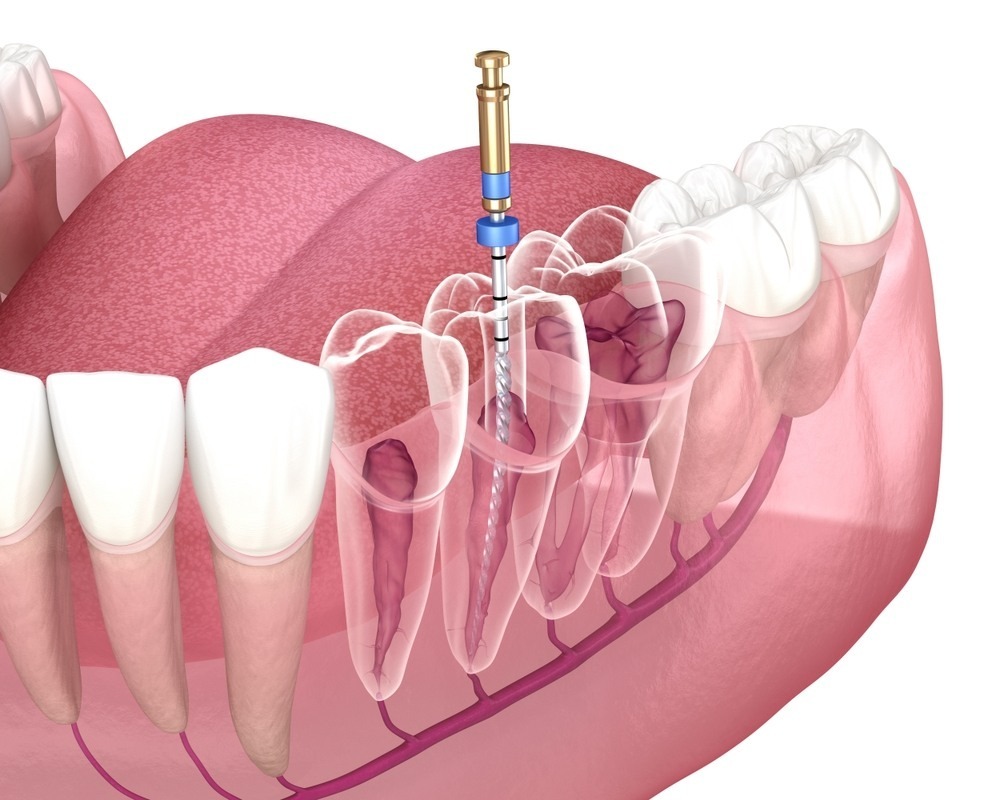
In these cases, placing a crown alone is not enough because the inner tissue is inflamed or infected. Your practitioner will perform root canal therapy first. During this routine procedure, the damaged nerve tissue inside the root canals is removed, the area is disinfected, and the canal space is sealed.
Once the internal infection is resolved, a protective crown is placed on top. This two-step treatment saves your natural tooth root while eliminating pain.
Option 3: Tooth Extraction (When a Tooth Cannot Be Saved)
While saving natural teeth is always the primary goal, some cracks travel too deep to restore safely.
An extraction becomes necessary if:
- The crack splits the tooth completely into two separate pieces.
- The fracture extends deep below the surrounding bone line, making it impossible to seal out bacteria.
- A vertical root fracture has caused severe loss of surrounding jawbone structure.
If an extraction is required, your care team will discuss tooth replacement solutions such as a dental implant or bridge to restore your chewing function and keep neighboring teeth from shifting out of alignment.
Seeking Timely Care to Save Your Tooth
On its own, a cracked tooth will never heal. Each time you chew on an exposed crack, the flexing motion spreads the fracture line and pushes bacteria deeper.
Partnering with an experienced dentist near you allows for early intervention using advanced diagnostic imaging and magnification loupes. Catching a fracture while it still qualifies for a simple crown saves time, expense, and natural tooth structure.
The caring staff at Cambie Broadway Dental is prepared to assist in restoring your smile whether you are experiencing dental discomfort, unexpected sensitivity, or think you may have a fractured tooth.
Contact Cambie Broadway Dental today to schedule an appointment and protect your teeth.
Frequently Asked Questions
How do I know if my tooth is cracked?
Sharp pain when biting down or lingering sensitivity to temperature often indicates a cracked tooth.
Can a cracked tooth heal naturally on its own?
No, tooth enamel cannot regenerate or repair cracks, making professional dental treatment essential to stop damage.
Does getting a crown on a cracked tooth hurt?
No, local anesthesia completely numbs the area, ensuring you remain comfortable throughout the crown procedure.
What happens if I ignore a cracked tooth?
Ignoring a crack allows bacteria to infect the nerve, leading to severe pain, abscesses, or total loss.